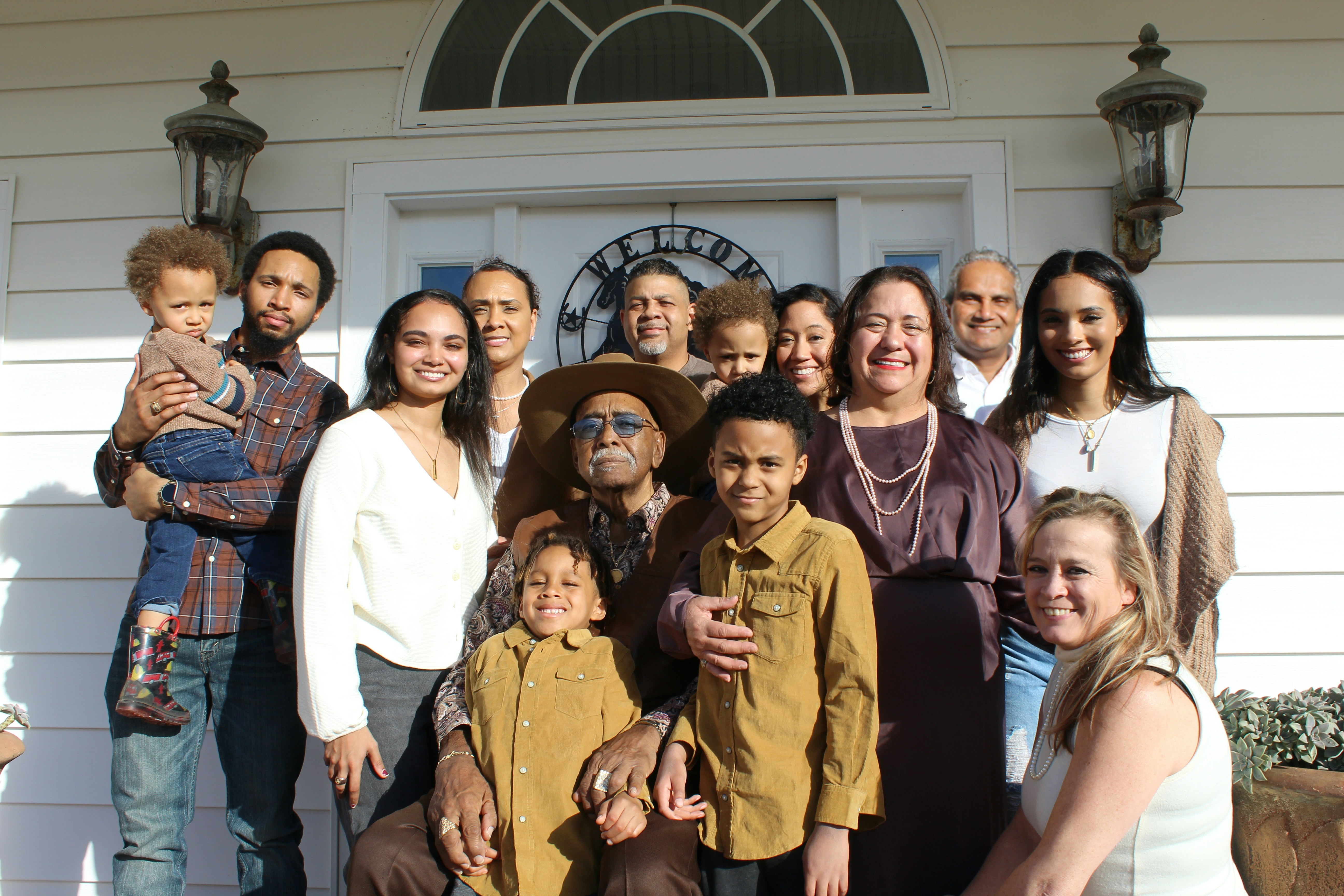
Estate Planning for Blended Families in Texas: Protecting Everyone You Love
Estate Planning for Blended Families in Texas: Protecting Everyone You Love
Families today come in many forms. Second marriages, stepchildren, and blended households are increasingly common throughout Texas. While blending families can bring new opportunities and relationships, it can also create unique challenges when it comes to estate planning.
Many people assume their assets will automatically pass to their spouse and children according to their wishes. Unfortunately, without a comprehensive estate plan, Texas law may distribute property in ways you never intended.
If you have a blended family, taking the time to create or update your estate plan can help protect your spouse, children, and loved ones while reducing the potential for future conflict.
Why Blended Families Need Special Estate Planning Considerations
Estate planning can be complicated for any family, but blended families often face additional concerns.
Questions frequently arise such as:
How can I provide for my current spouse while ensuring my children from a previous relationship receive an inheritance?
What happens to my assets if I pass away unexpectedly?
Will my stepchildren receive anything from my estate?
How can I prevent disagreements between family members?
Without clear legal documents in place, these questions can become difficult and expensive disputes after a loved one passes away.
What Happens If You Die Without a Will in Texas?
When someone dies without a valid will, they are considered to have died "intestate." In these situations, Texas law determines how assets are distributed.
For blended families, this can create unexpected outcomes. Depending on the circumstances, a surviving spouse may not inherit all assets, and children from previous relationships may inherit a portion of the estate.
While intestate succession laws are designed to provide a framework for asset distribution, they rarely account for the unique dynamics of blended families. As a result, surviving family members may face confusion, delays, and unnecessary legal complications.
Protecting Your Current Spouse
Many individuals want to ensure their spouse is financially secure after they pass away.
An estate plan can help accomplish this goal through tools such as:
Wills
Trusts
Beneficiary designations
Life insurance planning
Powers of attorney
These legal documents can provide clear instructions regarding how assets should be managed and distributed, reducing uncertainty during an already difficult time.
Protecting Children from Previous Relationships
One of the most common concerns among blended families is ensuring children from prior relationships receive the inheritance intended for them.
Without proper planning, assets may pass entirely to a surviving spouse, leaving no guarantee that those assets will eventually be distributed to children from a previous marriage.
A carefully drafted estate plan can establish clear provisions for children, helping ensure they receive the financial support and inheritance you wish to provide.
Don't Forget About Stepchildren
Many people are surprised to learn that stepchildren generally do not automatically inherit under Texas intestate succession laws unless they have been legally adopted.
This means that if you wish to leave assets to a stepchild, it is important to clearly state those intentions in your estate planning documents.
Failing to do so may result in a stepchild receiving nothing from your estate, regardless of the relationship you shared during your lifetime.
Common Estate Planning Mistakes in Blended Families
Unfortunately, many blended families make avoidable mistakes that create problems later.
Some of the most common include:
Failing to Update Estate Documents
Marriage, divorce, births, and deaths can all impact your estate plan. Documents should be reviewed regularly to ensure they reflect your current wishes.
Relying on Verbal Promises
Informal conversations with family members are not legally binding. Without proper documentation, misunderstandings can easily occur.
Overlooking Beneficiary Designations
Retirement accounts, life insurance policies, and certain financial accounts pass according to beneficiary designations—not your will. Outdated designations can unintentionally disinherit loved ones.
Assuming Everything Will Work Itself Out
Many families believe their loved ones will simply "do the right thing." Unfortunately, disagreements often arise when significant assets are involved.
Why Trusts Are Often Valuable for Blended Families
Trusts can provide additional flexibility and control for blended families.
Depending on your goals, a trust may allow you to:
Provide income and support for a surviving spouse
Preserve assets for children from a previous relationship
Reduce the likelihood of family disputes
Maintain greater control over how assets are distributed
Trusts are not necessary for every family, but they can be a powerful tool when balancing the interests of multiple beneficiaries.
When Should You Review Your Estate Plan?
Estate planning should never be treated as a one-time event.
You should consider reviewing your plan after:
Marriage or remarriage
Divorce
Birth or adoption of a child
Death of a family member
Significant financial changes
Major life transitions
Regular reviews help ensure your documents continue to reflect your wishes and protect the people who matter most.
Protect Your Family's Future
Every family is unique, and blended families often require customized estate planning solutions. Taking proactive steps today can help prevent confusion, conflict, and costly legal issues in the future.
Whether you are recently remarried, have children from a prior relationship, or simply want to ensure your loved ones are protected, creating a thoughtful estate plan can provide valuable peace of mind.
At Morales Padia Law, we help Texas families develop estate plans tailored to their specific goals and circumstances. If you have questions about wills, trusts, probate, or estate planning, our team is here to help.
Contact Morales Padia Law today to discuss how we can help protect your family, your assets, and your legacy.


